Introduction to SDVOSB Status
The designation of Service-Disabled Veteran-Owned Small Business (SDVOSB) is an important recognition granted to businesses owned and operated by veterans who have incurred a disability during their service in the United States military. To qualify as an SDVOSB, a business must be at least 51% owned by one or more disabled veterans, with the management and daily operational responsibilities also resting with those veterans. This designation serves not only as a means of acknowledgment for the sacrifices made by veterans but also as a catalyst for economic growth within the veteran community.
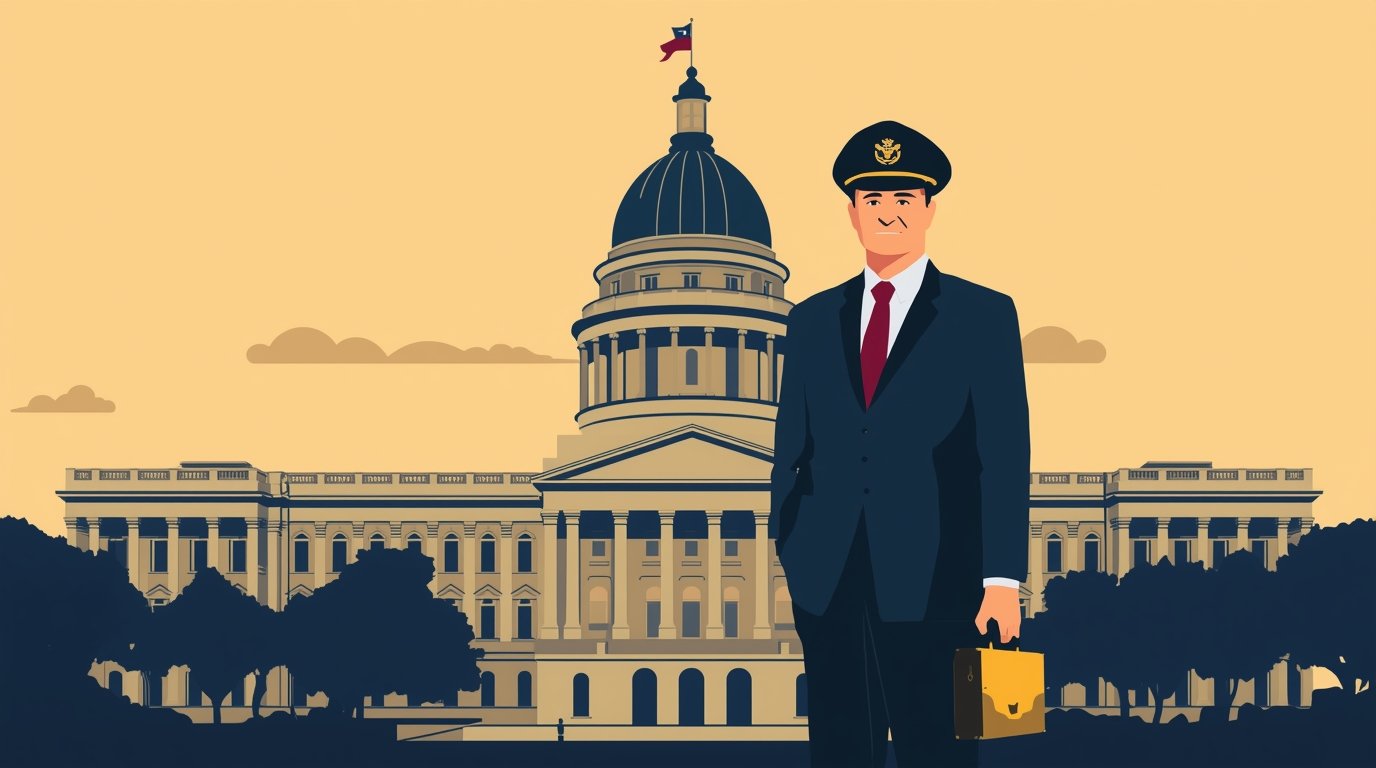
Supporting SDVOSBs is crucial for several reasons. First, it harnesses the unique skills and insights that veterans bring to the business world. They often possess advanced leadership abilities, resiliency, and a strong work ethic—traits honed during their military tenure. Acknowledging and promoting SDVOSBs can lead to increased opportunities for these entrepreneurs to innovate, create jobs, and contribute to local economies.
Moreover, the federal government encourages the participation of SDVOSBs in various procurement programs. These initiatives aim to level the playing field by reserving a portion of government contracts specifically for SDVOSBs, enhancing their visibility and competitiveness in the marketplace. This not only supports veteran-owned businesses, but it also fosters an environment where diverse suppliers can thrive, ultimately benefiting consumers through improved service and product offerings.
In summary, the SDVOSB status is not merely a designation; it is a vital tool through which society can express gratitude to service-disabled veterans while simultaneously enhancing economic development by promoting their entrepreneurial endeavors. By understanding the importance of this status, stakeholders can effectively support these businesses, tapping into their potential to positively impact communities across the nation.
Eligibility Criteria for SDVOSB Status
To qualify for Service-Disabled Veteran-Owned Small Business (SDVOSB) status, a business must meet specific eligibility criteria set forth by the U.S. Department of Veterans Affairs (VA). The primary requirement is that a service-disabled veteran must own at least 51% of the business. A service-disabled veteran is defined as an individual who has been discharged under conditions other than dishonorable from active military service and possesses a disability rating from the VA for a service-related condition.

In addition to ownership, the service-disabled veteran must also manage the daily operations of the business. This is to ensure that the veteran’s role is substantive enough to directly influence the company’s direction and decisions. The VA needs documentation to verify that the service-disabled veteran is both a majority owner and an active manager of the business. As part of the application process, detailed records must be provided, including military discharge papers, disability rating documentation, and any business formation documents such as articles of incorporation or partnership agreements.
Once a business meets these criteria, it can submit an application for SDVOSB status to the VA. The application includes a thorough review of the business’s structure, financial statements, and the service-disabled veteran’s qualifications. Furthermore, the business must qualify as a small business according to the SBA size standards relevant to its industry. Achieving SDVOSB status not only provides access to specific federal contracting opportunities but also enhances the credibility of the business by affirming its connection to veteran service. Understanding and adhering to these eligibility criteria is crucial for veterans looking to leverage their service through entrepreneurship.
Access to Government Contracts and Procurement

Service-Disabled Veteran-Owned Small Business (SDVOSB) status provides unique advantages in the realm of federal procurement, significantly enhancing access to government contracts. The U.S. government has established various initiatives aimed at fostering economic opportunities for veteran entrepreneurs, recognizing their service and sacrifices. Among these initiatives are specific set-aside programs that allocate a certain percentage of federal contracts exclusively for SDVOSBs. This prioritization not only aims to support the veteran community but also enhances the competitiveness of these businesses in the market.
One of the most noteworthy pieces of legislation supporting SDVOSBs is the Veterans Benefits, Health Care, and Information Technology Act of 2006, which mandated that federal agencies contract at least 3% of their total contract dollars to service-disabled veteran-owned businesses. As a direct result, many government agencies and departments have established rigorous goals to ensure that they engage and support SDVOSBs in their procurement processes.
For instance, the Department of Veterans Affairs (VA) plays a pivotal role in contracting with SDVOSBs and has made significant strides in meeting and exceeding its procurement goals. The VA has implemented various programs, such as the Veterans Entrepreneurship Program, to encourage veteran-owned businesses to actively participate in government contracting.
The advantages brought by SDVOSB status are illustrated by numerous success stories. For example, a veteran-owned company specializing in IT services secured a substantial contract with the VA that significantly expanded their business capabilities. By leveraging their SDVOSB status, they navigated the complexities of federal contracting more effectively than competitors without such designation.
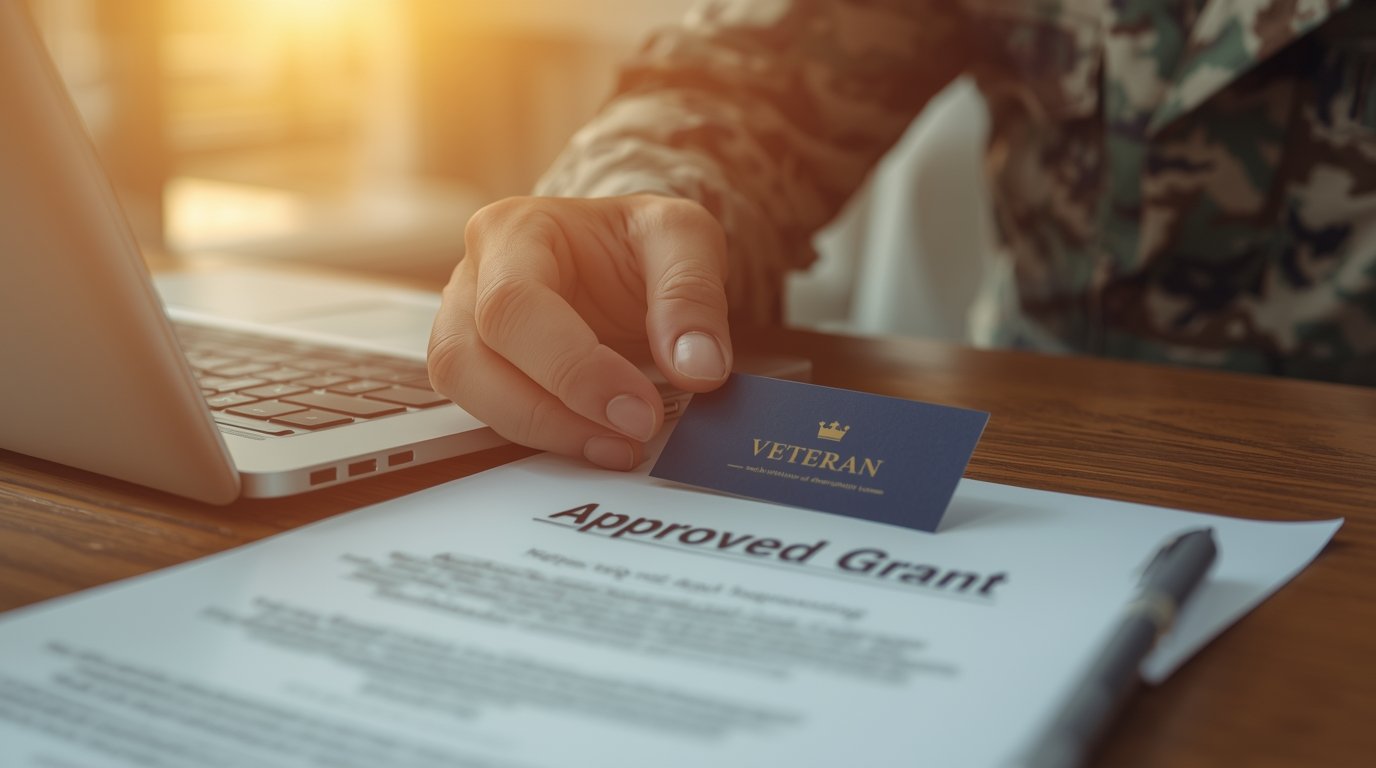
By enabling easier access to government contracts, SDVOSB status not only empowers veteran entrepreneurs but also contributes to robust economic development within the community. This federal support underscores the vital importance of recognizing and facilitating the integration of service-disabled veterans into the fabric of the national economy.
Networking and Community Support Opportunities
Service-Disabled Veteran-Owned Small Businesses (SDVOSBs) are uniquely positioned to leverage a myriad of networking and community support opportunities that can enhance their growth and success. One vital avenue for these businesses is collaboration with fellow veteran entrepreneurs. By fostering relationships with other veterans who share similar experiences and challenges, SDVOSBs can exchange insights, advice, and resources that are crucial in navigating the business landscape. This network often acts as a support system that encourages resilience and innovation.
In addition to connecting with individual veterans, SDVOSBs can engage with various industry associations dedicated to supporting veteran businesses. Organizations such as the National Veteran-Owned Business Association (NaVOBA) and the Veteran Business Outreach Centers (VBOCs) offer extensive resources, including workshops, training, and networking events specifically tailored for veteran entrepreneurs. Engaging with these associations not only enables SDVOSBs to stay informed about industry trends and best practices but also helps in building relationships with potential clients, collaborators, and industry leaders.
Another beneficial aspect of networking for SDVOSBs is participation in mentorship programs. Many veteran-centric organizations provide mentorship opportunities connecting seasoned business owners with newer entrepreneurs. These mentorship initiatives are invaluable as they offer guidance on business strategy, financial management, and navigating the complexities of government contracting. Mentors bring a wealth of experience and can provide SDVOSBs with insights that might not be accessible through formal education or training channels.
The growth of SDVOSBs can be significantly accelerated through active participation in networking opportunities. By forming connections with other veterans, industry associations, and knowledgeable mentors, SDVOSBs can build a robust support system that fosters business growth, collaboration, and mutual assistance. This strategic networking not only promotes business success but also enriches the wider veteran community, creating a sustainable ecosystem that benefits all involved.
Financial Benefits and Funding Opportunities
Establishing a Service-Disabled Veteran-Owned Small Business (SDVOSB) comes with significant financial benefits that can enhance growth and sustainability. One of the key advantages is access to grants specifically tailored for veteran entrepreneurs. Several federal and state programs are in place to provide financial assistance to SDVOSBs, aimed at promoting entrepreneurship among those who have served in the military. These grants often have favorable terms, enabling veterans to launch or expand their businesses without incurring substantial debt.
In addition to grants, SDVOSBs may qualify for certain veteran-specific loan programs. Institutions such as the Small Business Administration (SBA) offer financial products, including guaranteed loans, which are often more accessible to service-disabled veterans compared to traditional loan options. These loans typically feature lower interest rates and extended repayment terms, facilitating easier debt management for businesses in their initial stages or during growth phases.
Furthermore, SDVOSB status opens the door to exclusive investment programs. Many private organizations and foundations are dedicated to investing in veteran-owned businesses, seeing it as a means to support the economic well-being of the community. These programs can provide essential capital, ensuring that veterans have the resources necessary to pursue innovative ideas and expand their market reach.
Overall, the financial benefits and funding opportunities available to SDVOSBs are instrumental in empowering veteran entrepreneurs. By leveraging these resources, service-disabled veterans can secure the necessary funding to effectively manage growth and establish a strong foundation for long-term success. Therefore, it is crucial for current and prospective SDVOSB owners to actively seek out and apply for these financial resources, maximizing the benefits afforded by their status.
Marketing Advantages of SDVOSB Status
Service-Disabled Veteran-Owned Small Business (SDVOSB) status offers a unique position in the competitive marketplace, primarily characterized by specific marketing advantages that can significantly elevate a business’s visibility and appeal. By highlighting this status in marketing materials and proposals, SDVOSBs can set themselves apart from competitors, capturing attention and fostering interest among potential clients.
One of the most notable benefits is the enhanced credibility associated with SDVOSB status. Many organizations, particularly government agencies and large corporations, have mandates or initiatives aimed at supporting veteran-owned businesses. Therefore, promoting SDVOSB status can open doors to contracting opportunities that might otherwise have been inaccessible. This differentiation is particularly valuable in industries where competition is fierce and clients are seeking factors that help them make informed decisions.
Furthermore, being classified as an SDVOSB can be strategically leveraged when developing marketing content. Companies can underscore their commitment to veteran empowerment and community support, thereby appealing to a wide audience interested in socially responsible partnerships. Emphasizing the unique skills and experiences derived from military service enhances the narrative, creating an image of reliability, discipline, and dedication—qualities highly regarded in any business relationship.
Another aspect of leveraging SDVOSB status in marketing is the ability to participate in various initiatives and programs that highlight such businesses. Many conferences, trade shows, and procurement fairs actively promote veteran entrepreneurship, providing platforms for SDVOSBs to showcase their capabilities. Establishing a presence in these settings not only aids in brand building but also facilitates networking opportunities that can lead to potential partnerships and contracts.
In conclusion, embracing and marketing the SDVOSB status can significantly benefit businesses by enhancing their visibility, credibility, and marketability. By effectively communicating this unique advantage, SDVOSBs can strengthen their appeal to prospective clients and partners, paving the way for future growth and success.
Challenges Faced by SDVOSBs
Service-Disabled Veteran-Owned Small Businesses (SDVOSBs) play a crucial role in the economy and provide unique perspectives in various sectors. However, these businesses face a range of challenges that can impede their growth and success. One significant hurdle is the intense competition they encounter from larger, more established companies. Larger businesses often have greater access to resources, capital, and experience, which can make it difficult for SDVOSBs to compete effectively. This competition can manifest in bidding processes for government contracts or in the private sector, where scale and established relationships can lead to more opportunities for larger firms.
Another challenge is navigating the often complex bureaucratic processes associated with government contracting. The federal procurement system can be daunting, particularly for small businesses. SDVOSBs must familiarize themselves with a multitude of regulations, forms, and procedures to effectively interact with government agencies. The time commitment and potential for mistakes can divert critical resources away from operational aspects of the business.
Furthermore, adhering to compliance requirements presents a constant challenge. SDVOSBs must ensure they meet various federal, state, and local regulations to maintain their status and engage in contracting opportunities. Compliance entails not only meeting the initial certification requirements but also ongoing reporting and educational obligations, which can stretch limited staff and resources thin. Therefore, while the SDVOSB status offers several benefits, such as set-aside contracts and enhanced visibility, the associated challenges require careful management and strategic planning.
Success Stories of SDVOSBs
Service-Disabled Veteran-Owned Small Businesses (SDVOSBs) have emerged as a powerful force in the American economy, illustrating how veterans can leverage their unique experiences to build thriving enterprises. One notable success story is that of John Smith, a former Army sergeant who founded a construction firm after returning from service. With the support provided through his SDVOSB status, Smith secured government contracts that may have otherwise been inaccessible. His business has flourished, creating numerous jobs and contributing significantly to his community.
Another inspiring case is that of Maria Johnson, a Navy veteran who launched her own IT consultancy. Maria utilized her SDVOSB status to gain access to special financing programs tailored for veteran entrepreneurs. This allowed her to grow her business rapidly, expanding her service offerings and client base. By collaborating with both government and private sector clients, her consultancy has become a recognized name in cybersecurity, helping organizations fortify their digital infrastructure.
Additionally, Kevin Anderson, an Air Force veteran, successfully established a logistics company. Leveraging his SDVOSB classification, he was able to participate in mentorship programs that guided him through the complexities of government contracting. With these resources, Kevin navigated the procurement process effectively, securing contracts with several federal agencies. His journey underscores how SDVOSB status not only opens doors but also connects veterans to a network of supportive resources that facilitate sustainable growth.
Each of these entrepreneurs exemplifies the profound benefits of SDVOSB status, demonstrating that with resilience and strategic planning, service-disabled veterans can transform their professional trajectories. Their stories highlight the pivotal role that SBA programs and federal initiatives play in supporting these businesses, ensuring that their contributions are recognized and valued in the marketplace.
Conclusion and Call to Action
In summary, the Service-Disabled Veteran-Owned Small Business (SDVOSB) status is a vital asset that provides numerous advantages for veterans aspiring to run their own enterprises. By offering preferential access to federal contracts, this designation not only fosters a supportive environment for veteran entrepreneurs but also contributes significantly to the economy by tapping into the unique skills and experiences these veterans possess.
The benefits of SDVOSB status extend beyond just financial opportunities. Veterans who establish businesses under this classification can play a crucial role in their communities, creating jobs, and revitalizing local economies. These businesses are often seen as a beacon of resilience and tenacity, reflecting the values instilled in service members during their military careers. By leveraging SDVOSB status, veterans can transform their service into a new mission, building a sustainable business that can thrive in a competitive marketplace.
It is essential for veterans to understand the resources and support available to them through various programs and initiatives designed to aid SDVOSBs. Organizations such as the Small Business Administration (SBA) and veteran-specific business groups provide valuable assistance, from access to financing and mentorship to networking opportunities. Taking proactive steps to secure SDVOSB status can significantly impact the trajectory of a veteran’s career, making it easier to navigate the complex landscape of entrepreneurship.
We encourage veterans to explore the potential of Service-Disabled Veteran-Owned Small Business status and to consider how it can align with their personal and professional ambitions. Engaging with the resources available will not only empower veterans but also enrich the broader economy, paving the way for a future where service members continue to lead and innovate, even after their time in uniform.