
Introduction to Veteran Small Business Loans
Veteran small business loans are specialized financial products designed to support veterans who aspire to start or grow their own businesses. Recognizing the unique challenges faced by former service members transitioning into civilian roles, these loans offer tailored solutions to meet the diverse needs of veteran entrepreneurs. The importance of these loans cannot be overstated, as they equip veterans with not only the financial resources necessary but also the confidence to venture into business endeavors.

One of the primary advantages of veteran small business loans is that they often come with more favorable terms compared to standard loans. Many financial institutions and organizations acknowledge the creditworthiness and resilience of veterans, providing loans with lower interest rates, reduced fees, and flexible repayment schedules. These favorable conditions play a crucial role in alleviating the financial pressures that can accompany starting a new business or expanding an existing one.
Furthermore, veteran small business loans can provide access to a variety of funding opportunities, including grants, microloans, and larger loan amounts tailored to specific business needs. This diversity allows veterans to choose the best financial solution for their individual circumstances, be it securing equipment, covering operational expenses, or investing in marketing efforts. Moreover, pursuing these loans may also open doors to additional resources, such as mentorship programs and networking opportunities exclusive to veterans.
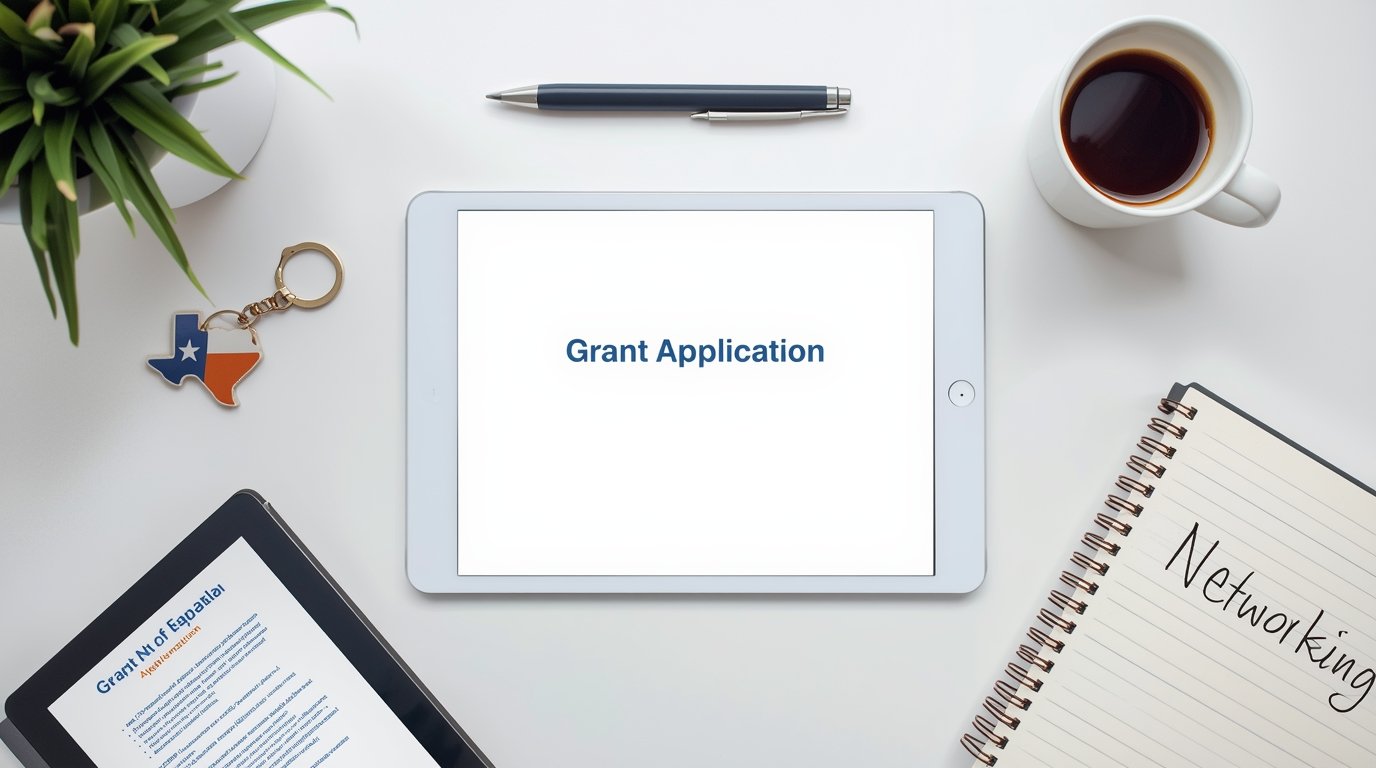
In summary, veteran small business loans serve as a vital resource for those who have served in the military, catering specifically to their ambitions of entrepreneurship. By understanding the advantages and diverse offerings available through these loans, veterans can better navigate their path toward establishing a successful business, ensuring that their sacrifices are recognized and rewarded in their post-military lives.
Eligibility Criteria for Veteran Small Business Loans
Securing a small business loan as a veteran in Austin involves meeting specific eligibility criteria. Primarily, the individual must have served in the military and be able to provide sufficient documentation to verify their military service. This can include a discharge paper, such as the DD Form 214, which is often required during the application process to confirm veteran status.

Furthermore, applicants must demonstrate a clear ownership stake in the business they wish to fund. The Small Business Administration (SBA) defines an eligible veteran-owned business as one that is at least 51% owned and controlled by one or more veterans. Ownership documentation, such as articles of incorporation and operating agreements, may be necessary to substantiate this requirement.
In addition to military service and ownership status, location plays a significant role in eligibility. The business must be located and primarily operate in Austin, Texas. This requirement ensures that loans program through local funds are benefitting businesses that contribute to the economy of the community they reside in.

Furthermore, applicants should be aware of the financial documentation needed as part of the loan application process. This may include personal and business tax returns, income statements, and a comprehensive business plan that outlines the intended use of the funds, projected growth, and revenue streams. Properly prepared documentation helps streamline the approval process and supports the validity of the loan request.
Overall, understanding and meeting these eligibility criteria is crucial for veterans seeking small business loans in Austin. By ensuring compliance with military service, ownership, location, and documentation requirements, veterans can significantly increase their chances of securing financing for their entrepreneurial endeavors.
Types of Veteran Small Business Loans Available in Austin
For veterans in Austin seeking financial assistance to start or expand their small businesses, various loan options are available. Understanding these options can enhance their likelihood of securing necessary funding. The primary loan types include traditional bank loans, SBA loans, and specific grants tailored for veteran entrepreneurs.
Traditional bank loans are a common choice for many business owners, including veterans. These loans are typically offered by commercial banks and require a solid business plan, good credit history, and sufficient collateral. The advantage of traditional loans lies in their potentially lower interest rates compared to other options. However, veterans should be aware that these loans often involve stringent qualification criteria, which can be challenging to meet for some.

Meanwhile, SBA loans, specifically those backed by the Small Business Administration, are another viable option for veterans. The SBA offers various loan programs, such as the 7(a) and 504 loan programs, which are particularly suited to small businesses. One of the key benefits of SBA loans is that they tend to have longer repayment terms and lower down payment requirements. Additionally, the SBA prioritizes veterans in its lending process, which can ease approval concerns. However, the application process can be lengthy and requires comprehensive documentation, which may deter some applicants.
Lastly, non-repayable grants specifically designed for veteran entrepreneurs are available through various organizations and government entities. These grants can provide significant financial support without the burden of repayment. However, the competitive nature of grants, coupled with the requirement of meeting specific eligibility criteria and project proposals, can pose challenges for potential applicants.
In conclusion, veterans in Austin have access to various funding options tailored to their unique circumstances. Traditional bank loans, SBA loans, and specialized grants each carry their benefits and challenges, making it essential for veterans to thoroughly research these options to make informed financial decisions.
Key Requirements for Applying for a Loan
When seeking a veteran small business loan in Austin, applicants must be cognizant of several critical requirements that can significantly impact the approval process. One of the foremost considerations is the applicant’s credit score. Lenders typically require a minimum credit score that reflects the applicant’s creditworthiness. A strong credit score demonstrates reliability in repaying debts, which can elevate the chances of loan approval. Veterans should review their credit reports and address any discrepancies before applying.
An essential component of the loan application process is the submission of a comprehensive business plan. This document typically outlines the business’s goals, target market, financial projections, and strategies for achieving success. A well-prepared business plan not only showcases the applicant’s vision but also indicates their commitment to the venture, which is crucial for lenders assessing risk. Veterans should consider enlisting the expertise of business advisors to craft a compelling business plan that meets lender expectations.
Financial documentation is another key requirement when applying for a veteran small business loan. This may include current financial statements, tax returns, and cash flow projections. Providing detailed financial documents helps demonstrate the financial health of the business and its ability to repay the loan. Veterans are advised to keep meticulous records and ensure that their financial statements are up-to-date before submitting an application.
Lastly, candidates may be required to offer collateral to secure the loan. This can include business assets, real estate, or personal guarantees, which offer lenders additional protection in case of default. Understanding the collateral requirements and preparing appropriate assets can enhance the likelihood of obtaining financing for a small business. Overall, by preparing these key elements diligently, veterans can strengthen their loan applications and improve their chances of success.
Resources for Veteran Entrepreneurs in Austin
Austin has a vibrant community dedicated to supporting veteran entrepreneurs through various resources designed to facilitate business development and the loan application process. These organizations offer a mix of technical assistance, mentorship programs, and networking opportunities that are crucial for successful business establishment.
One prominent resource is the Texas Veterans Commission (TVC)Veteran Business Outreach Center (VBOC), which provides training, counseling, and technical assistance for veterans seeking loans and guidance on running a business.
In addition to the TVC, veteran entrepreneurs can benefit from the Veterans in Business Network, an organization dedicated to fostering a supportive community for veterans and their families. This network organizes events and workshops that connect veteran business owners with experienced professionals, facilitating valuable networking opportunities.
Another important local organization is the Austin Small Business Development Center (SBDC). The SBDC offers free business consulting and training specializing in small business and startup financing. Veteran entrepreneurs can receive personalized assistance in navigating loan applications, business plans, and other essential entrepreneurial skills.
Moreover, online resources such as VetBiz.gov provide crucial information on accessing federal contracting opportunities and financing, while also offering a database of veteran-owned businesses. Through these platforms, veterans can find loan options specifically designed to meet their unique needs.
Utilizing these resources effectively will empower veterans in Austin to pursue their entrepreneurial dreams while ensuring they have the support and information necessary to secure funding and grow their businesses.
Common Challenges in Securing Veteran Small Business Loans
Veterans looking to secure a small business loan often encounter a range of challenges that can complicate the process. One primary obstacle is credit history. Many veterans may have limited credit history due to their time spent in service, which can hinder their ability to demonstrate creditworthiness to lenders. To overcome this, veterans can consider building their credit profile by obtaining secured credit cards or using credit responsibly to enhance their score over time before applying for loans.
Another significant challenge is the lack of business experience. Veterans transitioning from military to civilian life may possess exceptional leadership and organizational skills but may lack formal experience in managing a business. This gap can deter lenders who prefer applicants with a proven track record in entrepreneurship. To mitigate this issue, veterans should seek educational resources and training programs specifically designed to equip them with the necessary skills for running a business. Additionally, networking with other veteran entrepreneurs can provide valuable insights and mentorship opportunities.
Moreover, inadequate business plans can be a barrier to securing financing. A compelling business plan is essential as it outlines the company’s vision, trajectory, and financial projections. Without it, lenders may view applicants as unprepared or unqualified. Veterans should invest time in crafting a thorough business plan, which can include market analysis, competitive strategy, and a detailed budget. Utilizing resources from Small Business Development Centers (SBDCs) or Veteran Affairs can be instrumental in developing a robust plan. By addressing these common challenges proactively, veterans can improve their chances of securing the necessary funding to launch or grow their businesses.
Tips for Strengthening Your Loan Application
When seeking a veteran small business loan, it is crucial to present a robust application that captures the lender’s interest. A well-prepared application not only demonstrates the viability of the business but also reflects the diligence and commitment of the veteran entrepreneur. Here are several practical tips to enhance your loan application.
First and foremost, developing a comprehensive business plan is essential. This plan should outline your business objectives, target market, competitive analysis, and financial projections. A clearly articulated business strategy helps lenders understand your vision and operational approach. Ensure that your financial projections are realistic and backed by thorough research to convey credibility.
Equally important is to establish and maintain a healthy credit score. Lenders often evaluate personal and business credit histories when assessing loan applications. It might be beneficial to review your credit reports regularly, correcting any inaccuracies, and addressing outstanding debts. A strong credit history can significantly improve your chances of approval for funding.
Documentation is another critical aspect of the application process. Gather all necessary paperwork, including personal identification, business registration, financial statements, and tax returns. Being organized and transparent not only speeds up the application process but also builds trust with potential lenders. Additionally, consider obtaining any relevant certificates or awards that highlight your veteran status, which may provide credibility and enhance your case for funding.
Lastly, consider seeking guidance from resources geared towards veteran entrepreneurs, such as the U.S. Small Business Administration or veteran-focused support organizations. Engaging with mentors and financial advisors can provide valuable insights into the loan application process. Incorporating these strategies can greatly strengthen your loan application and increase the likelihood of securing funding for your small business venture.
Success Stories of Veteran Entrepreneurs in Austin
Austin, Texas stands out as a vibrant hub for innovation and entrepreneurship, particularly among veterans who have successfully transitioned into the business world. One notable figure is Thomas Reed, a former Army sergeant who leveraged a veteran small business loan to start his outdoor adventure company. His passion for nature and commitment to providing unique experiences for families allowed his business to thrive, showcasing the potential of veterans to contribute significantly to the local economy. Through determination and hard work, Thomas illustrates the positive impacts of financial support aimed at helping veterans embark on their entrepreneurial journeys.
Another inspiring example is Jessica Martinez, who served in the Navy and, upon returning to civilian life, pursued her dream of opening a bakery. With the assistance of a veteran small business loan, she was able to secure a location, purchase essential equipment, and commence operations. Jessica’s bakery not only embodies her culinary skills but also provides a supportive environment for fellow veterans seeking employment. Her story emphasizes how access to funding plays a crucial role in transforming ideas into successful businesses.
Moreover, Michael Tran, an Air Force veteran, established a tech consultancy firm, utilizing his skills from service to meet the demands of local businesses in Austin. By navigating the loan process with patience and determination, he was able to fund his startup and create job opportunities for other veterans. Michael’s journey reflects the importance of community support and resources available specifically for veterans, enhancing their likelihood of success in the competitive business landscape.
These success stories of veteran entrepreneurs not only inspire but also highlight the real-life possibilities that arise from utilizing veteran small business loans in Austin. Each journey underscores that with the right support and determination, veterans can achieve remarkable success in entrepreneurship, fostering a strong sense of community and innovation in the city.
Conclusion and Next Steps
In conclusion, navigating the landscape of veteran small business loans in Austin requires an understanding of the specific requirements and resources available. Veterans looking to start or expand a business should first familiarize themselves with the various types of loans, including those offered by the U.S. Small Business Administration (SBA) and private lending institutions. It’s essential to gather all necessary documentation, such as business plans, personal financial statements, and service records, to ensure a smooth application process.
Additionally, utilizing local resources can significantly benefit veterans in their quest for funding. Organizations such as the Veteran Business Outreach Center (VBOC) and local chambers of commerce provide various support services, including business counseling and networking opportunities. Furthermore, exploring grants specifically designed for veterans can complement loan options and reduce financial burdens.
For veterans ready to take actionable steps, the first move should be to contact your local VBOC. They can guide you through the specific loan programs available, including veterans’ specific benefits under the SBA. Furthermore, attending workshops and seminars can provide vital insights into the application process and help build connections with other veteran entrepreneurs.
As you embark on this journey, remember that seeking guidance from financial advisors or mentors who have experienced the loan process can provide valuable perspectives and increase your chances of success. To further investigate potential funding opportunities, visiting online platforms such as the SBA’s website can yield additional resources tailored to veteran business owners.