
Introduction
For veterans embarking on the journey of starting a business in Austin, understanding the available financial options is crucial. The unique position of veterans within our society often affords them access to various funding sources tailored to support their entrepreneurial endeavors. Two prominent categories of financial assistance that veterans should consider are low-interest loans and free money options.

Low-interest loans are financing arrangements where borrowers pay back the amount they received, plus interest, at significantly reduced rates compared to standard market loans. These loans are an attractive option for veterans because they provide necessary capital with a manageable repayment structure, allowing for cash flow stability while establishing a new business. The relatively low cost of borrowing can significantly lessen the financial burden of starting a venture, especially for those who may be new to entrepreneurship.
On the other hand, the term “free money” typically refers to grants or other funding mechanisms that do not require repayment. Various organizations, including government entities and private foundations, offer these funds to support veteran-owned businesses. Free money options can be particularly appealing, as they allow veterans to launch their enterprises without the added stress of debt. This kind of financial assistance can provide veterans with a safety net enabling them to invest in crucial aspects of their business, such as equipment, marketing, or staffing.

Understanding both low-interest loans and free money options enables veterans to make informed financial decisions that align with their business goals. By carefully considering these alternatives, veterans in Austin can successfully navigate the complexities of capital acquisition, ultimately paving the way for a more secure and prosperous future as business owners.
Understanding Low-Interest Loans
Low-interest loans are financial products designed to provide borrowers access to funds at a lower cost compared to traditional loans. These loans typically offer interest rates significantly reduced from market average, making them an attractive option for individuals seeking financial assistance without the burden of high-interest payments. Unlike other loan types, such as payday loans or credit cards, which often carry exorbitant interest rates, low-interest loans can offer substantial savings over the life of the loan.

The benefits of low-interest loans include lower monthly payments, more manageable debt repayment schedules, and reduced overall financial strain. For veterans in Austin, these loans can facilitate home purchases, education, and starting a business without the heavy financial toll that higher interest rates would impose. Furthermore, many low-interest loans come with flexible terms and are backed by government programs to ensure accessibility for eligible borrowers.
Eligibility for low-interest loans may vary depending on the specific program. Generally, veterans need to demonstrate proof of service and may be required to meet certain income thresholds or creditworthiness standards. Programs such as the Veterans Affairs (VA) home loan program often feature competitive interest rates and do not require private mortgage insurance, making them particularly advantageous for veterans aiming to own homes.

Additionally, some non-profit organizations and local government initiatives in Austin offer low-interest loans aimed at supporting veteran entrepreneurs. These programs not only contribute to the community but also aid veterans in launching successful businesses with financial assistance that is not overwhelmingly burdensome.
Exploring Free Money Options
In the financial landscape, the term “free money” typically refers to funds that do not require repayment. For veterans, this can manifest in the form of grants and scholarships specifically designed to support their educational and professional development. These financial opportunities play a vital role in assisting veterans to reintegrate into civilian life, pursue higher education, or enhance their skills for better job prospects.
Government programs often serve as a crucial source of free funding for veterans. The U.S. Department of Veterans Affairs (VA) offers several initiatives that cater to veterans seeking educational assistance. One notable program is the Post-9/11 GI Bill, which provides comprehensive benefits that can cover tuition and fees, as well as a living stipend. Additionally, vocational training funds are available through various state and local government programs aimed at helping veterans acquire specific trade skills.
Beyond government sources, numerous private organizations and nonprofits also provide scholarships and grants for veterans. These organizations may focus on particular demographics within the veteran community, catering to those who may face unique challenges, such as minority veterans or those with disabilities. Examples include the American Legion and the Veterans of Foreign Wars (VFW), both of which offer scholarships and financial aid to help veterans continue their education.
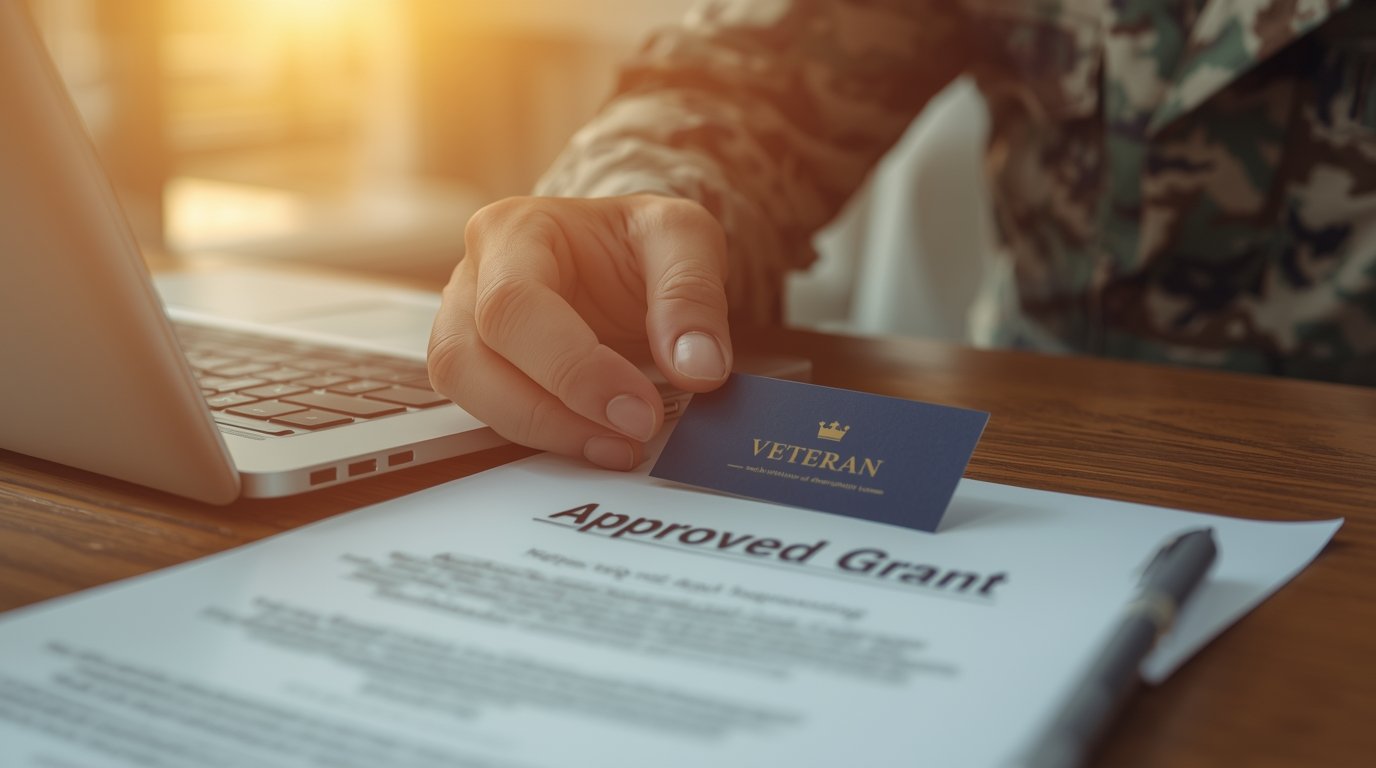
Furthermore, many educational institutions have established their own programs to assist veterans in obtaining funding. Many universities, recognizing the sacrifices made by veterans, offer dedicated scholarships for those who have served. It’s beneficial for veterans to research local resources and institutional aids to identify all available funding options.
Comparing Low-Interest Loans vs. Free Money
When evaluating financial options available to veterans, understanding the differences between low-interest loans and free money is crucial. Low-interest loans generally require repayment but can offer more significant amounts and extended terms, allowing for flexibility in usage as per the borrower’s needs. The interest rates on these loans are often lower than standard market rates, making them an appealing proposition for veterans looking to finance important purchases such as housing or business ventures.
On the other hand, free money, often distributed through grants or specialized programs, does not require repayment. This option can be particularly advantageous for veterans who need immediate assistance without the burden of debt. Free money is typically tied to specific purposes, such as education or home modifications for disabilities, and its limitations can restrict its flexibility compared to low-interest loans. One must consider whether the intended use aligns with the conditions of free funding.
In terms of long-term impacts, choosing low-interest loans can sometimes promote better credit history and financial stability if repaid responsibly, contributing to future borrowing power. However, if the burden of debt becomes unmanageable, it may lead to ongoing financial stress. Conversely, while free money alleviates the need for repayment, reliance on such funding sources can result in limitations when pursuing larger financial goals.
Ultimately, the decision between low-interest loans and free money depends on individual circumstances, including the urgency of financial needs, long-term goals, and willingness to engage in the repayment process. A thorough analysis of available options can guide veterans toward a path that best supports their financial health and stability.
How to Apply for Low-Interest Loans
Applying for low-interest loans can be a strategic financial move for veterans seeking to secure funds for personal or business needs. The process typically involves several systematic steps aimed at ensuring that applicants are thoroughly evaluated and that lenders can assess their creditworthiness effectively.
The first step is to gather the necessary documents. Veterans applying for low-interest loans should be prepared to provide essential documentation, including proof of military service, identification, income verification, and credit history. Financial institutions may require additional documents such as tax returns or bank statements to assess an applicant’s financial standing comprehensively.
Once the required documentation is prepared, the next step is to research various lenders and their specific loan products. Different lenders may offer varying terms, interest rates, and qualifying criteria for loans. Veterans should look for lenders that specifically cater to their needs, such as those that have programs tailored for military personnel. Engaging in this research can provide valuable insights and empower applicants to make informed decisions.
The application process typically begins by filling out an online or paper application. It is crucial for veterans to fill out the application form completely and accurately, as incomplete or incorrect information can lead to delays or denials. During this phase, borrowers must also specify the amount they wish to borrow and the purpose of the loan.
After submitting the application, the lender will review the information provided. Providing thorough and truthful information is vital, as lenders will conduct checks on credit history and income. Veterans can improve their chances of approval by addressing any issues in their credit reports beforehand and ensuring that their financials are well-organized.
Following the review process, the lender may require an interview or additional documentation before a decision is reached. It is advisable for veterans to remain accessible and responsive, as timely communication can expedite the approval process. By following these steps diligently, veterans can enhance their opportunities for securing low-interest loans successfully.
How to Apply for Free Money Grants
Applying for free money grants is a vital process for veterans seeking financial assistance for various needs such as education, business start-up, or housing. To successfully navigate this process, veterans should be aware of the necessary documentation, eligibility criteria, and effective application strategies.
Firstly, it’s important for veterans to identify the specific types of grants that are available to them. These grants can vary by purpose, such as education grants for veterans returning to school or housing grants for purchasing a home. Resources such as the U.S. Department of Veterans Affairs (VA) website and local veterans’ support organizations are excellent starting points to find relevant grant opportunities.
Once a suitable grant has been identified, veterans must ensure they meet the eligibility criteria. Many grants require proof of military service, which can be demonstrated through documentation such as the DD Form 214. Additional criteria may include income limits, residency requirements, or enrollment in specific programs, so applicants should read through requirements carefully before proceeding.
Next, the application process itself usually involves filling out a grant application form, which may be available online or through hard copy. Supporting documentation is often required, including tax returns, proof of income, and statements regarding expenditures. Organizing these documents beforehand can save applicants significant time and make the submission process smoother.
In addition, there are a few tips that can improve the chances of success when applying for grants. Veterans should meticulously follow all instructions and ensure that each section of the application is fully completed. Highlighting how the grant will specifically benefit their individual situation can also be advantageous. Lastly, submitting the application as early as possible can help avoid last-minute issues related to deadlines.
Finding Resources in Austin
Austin, Texas, is home to a vibrant entrepreneurial ecosystem, particularly for veterans seeking capital to start or expand their businesses. Numerous resources cater specifically to veteran entrepreneurs, providing both financial assistance and mentorship.
One prominent organization is the Veterans Business Outreach Center (VBOC) Additionally, the Austin Chamber of Commerce has programs designed to promote small businesses, including those owned by veterans. They provide networking opportunities, workshops, and access to events that can enhance visibility and funding prospects. Veterans in Austin can also benefit from initiatives like the Startup America Partnership, which connects entrepreneurs to mentors and potential investors. This partnership offers resources tailored to the unique challenges faced by veteran business owners. Moreover, veterans can explore local crowdfunding platforms that support military entrepreneurs. Programs like Patriot Boot Camp provide training and connections to resources that can assist in raising capital through crowdfunding methods. The Texas Veterans Commission also plays a vital role in supporting veterans seeking business opportunities. They offer various programs focused on helping veterans transition to civilian life, including funding sources geared towards small business establishment. Lastly, the Capital Factory serves as a co-working space that supports veteran entrepreneurs through programs designed to foster innovation and provide networking opportunities with investors. With these resources at their disposal, veterans in Austin have a wealth of options available for finding capital and growing their businesses. Austin, Texas, has become a fertile ground for veteran entrepreneurs looking to transform their dreams into reality. Numerous veterans in this vibrant city have harnessed the benefits of low-interest loans and grants to achieve substantial growth and success in their businesses. These stories not only inspire fellow veterans but also serve as a testament to the resilience and determination inherent in their journeys. One notable success story is that of David Martinez, a veteran who launched his own artisan coffee shop in downtown Austin. With a strong passion for providing high-quality brews, David sought assistance from a low-interest loan program specifically designed for veterans. This financial support allowed him to cover initial inventory costs and set up an inviting space that quickly became a community favorite. His story embodies the entrepreneurial spirit, showcasing how a veteran can leverage available resources to create a thriving business. Another inspiring example is Sarah Johnson, who opened a bespoke tailor shop after serving in the military. Sarah applied for a small business grant aimed at empowering female veterans. This support helped her cover the cost of state-of-the-art sewing equipment and marketing efforts. Today, her shop not only caters to the fashion needs of the local community but also provides training opportunities for other veterans seeking a fresh start in their post-service lives. These stories, along with many others, demonstrate the profound impact that low-interest loans and grants can have on veterans in Austin. They reinforce the message that financial assistance is not just about monetary support; it is also about fostering a sense of purpose and promoting entrepreneurship. By sharing their experiences, these veteran entrepreneurs encourage others to seek similar paths, highlighting a community that values and champions their contributions. In today’s increasingly competitive financial landscape, veteran entrepreneurs in Austin must navigate the various funding options available to them. The comparison between low-interest loans and free capital highlights the need for informed decision-making. Low-interest loans typically present a manageable repayment structure, which can relieve some financial strain while facilitating business growth. On the other hand, the allure of free money should not be overlooked, especially considering the potential for reducing long-term debt obligations and enhancing cash flow. It is essential for veterans to thoroughly evaluate their individual circumstances and business needs. Understanding the nuances of each funding option will empower them to identify the most suitable path for their ventures. Moreover, seeking assistance from local organizations and support groups that specialize in veteran outcomes can further illuminate available resources. Veterans in Austin are uniquely positioned to capitalize on various funding opportunities, from private investors to government-backed initiatives. Accessing capital is vital for turning innovative ideas into reality, and by exploring these options, veteran entrepreneurs can strategically leverage the financial support they need. As a call to action, we encourage veterans to take proactive steps toward securing funding for their business aspirations. Engage with local veteran organizations, attend workshops, and connect with fellow entrepreneurs. By taking advantage of the resources available and nurturing professional networks, Austin veterans can maximize their chances of finding the right capital to launch and grow their businesses effectively. Don’t hesitate to explore what’s out there; your entrepreneurial journey deserves the best support possible.Success Stories of Veteran Entrepreneurs
Conclusion and Call to Action