
Introduction to Mentorship in the Tech Industry
In the rapidly evolving tech industry, mentorship is recognized as a vital component for personal and professional growth. Mentorship is particularly invaluable for veterans transitioning into civilian careers, as it facilitates their integration into the dynamic tech environment. Veterans bring with them a unique set of skills honed through military training, such as leadership, discipline, and critical problem-solving abilities. These qualities can greatly enhance the tech scene, making it imperative to foster mentor-mentee relationships.

For veterans looking to establish themselves in the tech industry, mentorship offers numerous advantages. First, it provides access to valuable industry insights and networking opportunities, which are crucial for navigating the complexities of the tech world. Through mentorship, veterans can receive guidance on industry trends, technical skills, and career development, helping them confidently adapt to the civilian workforce.
Moreover, the exchange between veterans and their mentors can lead to mutually beneficial relationships. Mentors gain fresh perspectives and insights from their veteran mentees, benefiting from the diverse experiences these individuals bring to the table. The presence of veterans in tech not only enriches the workplace culture but also fosters a more inclusive environment that values diverse backgrounds and viewpoints.
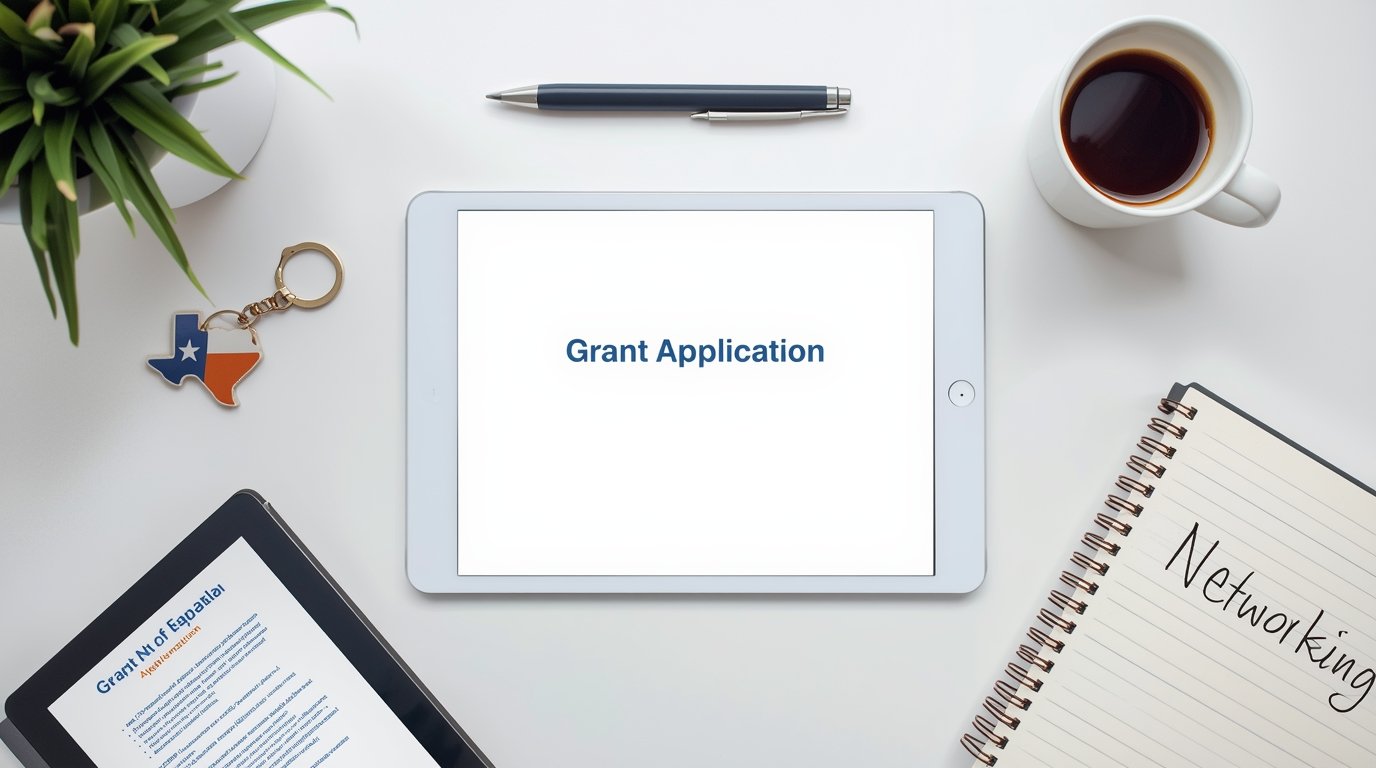
The tech industry is continuously seeking talent that reflects its ever-changing landscape; hence, veterans represent an untapped resource that can significantly contribute to innovation and problem-solving. Mentoring relationships empower veterans to leverage their unique skills effectively while providing mentors with the opportunity to influence the next generation of leaders in the tech field. Emphasizing the importance of mentorship in this context can bridge gaps, creating a more robust community within the Austin tech scene.
Understanding the Austin Tech Scene
Austin, Texas, has emerged as a prominent hub for technology and innovation, attracting entrepreneurs, established businesses, and tech professionals alike. The city has witnessed exponential growth in its tech sector over the past decade, with its vibrant ecosystem fostering the development of numerous startups as well as attracting major corporations. This significant expansion has created a robust environment for career opportunities, particularly for veterans transitioning into civilian life.

Some of the major companies that have established operations in Austin include tech giants such as Dell, Apple, Google, and Amazon. These companies not only provide substantial employment opportunities but also contribute to a culture of innovation and collaboration in the tech industry. Additionally, Austin is home to a plethora of startups in fields ranging from software development to e-commerce and clean technology. The presence of such diverse enterprises ensures that veterans have ample avenues to explore based on their skills and interests.
Community organizations play a pivotal role in the Austin tech scene, particularly in supporting veterans. Groups such as the Austin Tech Alliance and Veterans in Tech provide valuable resources for networking and professional development. They facilitate mentorship programs that connect veterans with experienced professionals who can guide them through the intricacies of the tech industry. By participating in these community initiatives, veterans can benefit from the shared experiences and insights of local leaders and innovators, thereby enhancing their career trajectories.

Furthermore, the friendly atmosphere of Austin, along with its rich cultural offerings and strong connections within the tech community, makes it an ideal place for veterans looking for mentorship. The collaborative spirit among tech professionals in Austin fosters an environment where knowledge sharing is common, allowing veterans to integrate seamlessly into this dynamic world and thrive in their new endeavors.
Identifying Your Mentorship Goals
Finding the right mentor in the Austin tech scene begins with a thoughtful assessment of your mentorship goals. Understanding what you aim to achieve through mentorship is critical for both your professional growth and for establishing a fruitful relationship with your mentor.
Begin by reflecting on the skills you desire to acquire. Are you interested in enhancing your technical expertise, such as programming languages or software development techniques? Or are you more focused on soft skills, like communication, leadership, and teamwork? Identifying your learning objectives will help you select a mentor who possesses the relevant knowledge and experience to guide you effectively.
Additionally, consider the specific insights you wish to glean from your mentorship experience. Do you seek industry knowledge, career navigation strategies, or advice on overcoming challenges unique to veterans in the tech sector? By grasping your particular needs, you can better articulate them to potential mentors, making the relationship more focused and productive.

Another vital aspect is to define the type of connections you aim to cultivate within the tech industry. Networking opportunities can be invaluable, and specifying whether you want introductions to hiring managers, project leaders, or peers can direct your mentor’s efforts toward facilitating those connections. Mentors often have substantial networks, and clarity around your networking goals can enhance your ability to leverage their relationships effectively.
Ultimately, articulating your mentorship goals will not only increase your chances of finding a suitable veteran mentor but will also set the tone for an enriching, collaborative relationship. As you embark on this journey, keeping your objectives at the forefront will guide you toward a transformative mentorship experience.
Networking Strategies to Connect with Veterans
Building a strong network can be an invaluable asset for veterans seeking mentorship in the Austin tech scene. One of the first steps veterans should take is to effectively communicate their unique backgrounds and experiences. This includes crafting a concise personal pitch that highlights military training, technical skills, and leadership qualities. Such a pitch allows veterans to articulate their value to potential mentors and peers within the tech community.
In addition, utilizing social media platforms, particularly LinkedIn, can significantly enhance a veteran’s visibility. It is essential to create a compelling profile that emphasizes military experience and tech-related skills. Veterans should actively engage with relevant posts, join specialized groups, and connect with other professionals in the field—these actions can lead to fruitful discussions and connections.
Moreover, attending local tech meetups and community events is a proactive way to network with other veterans and tech professionals. Events such as hackathons, workshops, and networking nights are not only excellent for skill enhancement but also serve as prime opportunities to meet mentors. By participating in these events, veterans can engage directly with others who may have similar backgrounds or interests, establishing rapport and trust that can lead to mentorship opportunities.
Lastly, it is beneficial for veterans to leverage existing veteran organizations and support groups within Austin. These groups often host networking events, mentorship programs, and workshops tailored to assist veterans transitioning into civilian careers. By tapping into these resources, veterans can meet experienced professionals who understand the unique challenges faced by those with military backgrounds, thereby creating a supportive network that can facilitate mentorship.
Utilizing Local Resources and Organizations
Austin, Texas, boasts a vibrant tech scene that offers numerous resources and organizations aimed at connecting veterans with mentors. These avenues can significantly enhance a veteran’s transition into the tech workforce, helping them gain valuable insights and establish essential networks. One prominent organization is the Austin Technology Incubator (ATI), which provides not only mentorship but also resources for startups. ATI often collaborates with veteran-focused initiatives, allowing veterans to access tailored workshops and networking events that align with their interests.
Another valuable resource is the Veteran Entrepreneurs Group (VEG), which specifically targets veterans looking to enter or advance in the technology sector. This group regularly hosts meetups and seminars where members can connect with industry veterans. These meetings often include guest speakers who are experienced professionals in tech, providing both mentorship opportunities and firsthand knowledge of industry trends.
Additionally, local veteran service organizations like America’s VetDogs offer programs designed to assist veterans in professional development, including mentoring. They actively collaborate with tech firms to help veterans navigate the complexities of the tech industry, ensuring they have the tools necessary for success.
Attending networking events and meetups, such as those organized by Startup Grind Austin, can also be beneficial. These gatherings offer a platform for veterans to meet tech professionals, share experiences, and find mentorship opportunities. Individuals are encouraged to leverage platforms like Meetup.com to find relevant events that offer direct engagement with the local tech ecosystem.
Online Platforms for Finding Mentors
In the Austin tech scene, various online platforms and services specifically cater to veterans seeking mentorship. These platforms facilitate connections between veterans and experienced professionals, enabling the exchange of knowledge, skills, and insights. One notable platform is Veteran Mentor Network, which is dedicated to helping veterans transition into civilian careers by providing mentorship opportunities tailored to their unique experiences. This network allows users to create profiles highlighting their military background, career aspirations, and areas in which they seek guidance.
Another valuable platform is LinkedIn, a widely used professional network that offers various features for mentorship building. Veterans can leverage LinkedIn by connecting with industry professionals, engaging in relevant groups, and participating in discussions related to their fields of interest. Additionally, veterans can utilize the LinkedIn Mentorship feature, which connects users based on shared interests and goals. To maximize visibility, veterans should optimize their profiles by clearly stating their competencies, expressing their mentorship needs, and showcasing accomplishments.
Furthermore, platforms such as Meetup can be instrumental in finding local mentorship opportunities. Veterans can join various tech-related groups, attend events, and network with industry professionals who might be interested in mentoring. When utilizing these online platforms, it is crucial for veterans to craft a standout profile. This includes a professional photograph, a well-written summary that reflects their career objectives, and specific skills and interests. Highlighting personal experiences and goals in a compelling manner can significantly enhance the chances of attracting potential mentors.
Overall, leveraging these online platforms, coupled with a robust profile, can effectively connect veterans to mentors in the dynamic Austin tech landscape.
Building a Relationship with Your Mentor
Establishing a strong relationship with your mentor is crucial to derive maximum benefit from the mentorship experience. Once you have identified a potential mentor in the Austin tech scene, the next step is to foster a productive and respectful relationship. This process begins with setting clear expectations. Both you and your mentor should discuss what you aim to achieve from the relationship. Are you seeking specific technical skills, networking opportunities, or guidance on navigating career transitions? Defining collective goals upfront will ensure that both parties are aligned and can work effectively towards these targets.
Effective communication is the backbone of any successful mentoring relationship. Make a conscious effort to maintain regular contact with your mentor. This can be through scheduled meetings, emails, or even casual catch-ups at local tech events. By doing this, you not only stay engaged but also demonstrate your commitment to the mentorship. Consider setting up a structured framework for these interactions. For instance, you might plan bi-weekly or monthly check-ins to discuss your progress and challenges, alongside any advice the mentor can provide based on their own experiences.
Another important aspect is to actively provide value to the mentoring relationship. Mentorship is a two-way street; thus, don’t hesitate to share updates about your achievements, ask questions, or offer assistance on smaller projects. Perhaps your mentor is engaged in initiatives that could benefit from an extra set of hands, or you could share industry insights that you have gathered. By contributing to the relationship, you not only enhance your mentor’s experience but also solidify your position as a proactive mentee who is keen on learning and growth.
Overcoming Challenges in the Mentor-Mentee Relationship
Establishing a successful mentor-mentee relationship within the vibrant Austin tech scene offers numerous benefits, yet it is not devoid of potential challenges. One significant hurdle often encountered is communication barriers. These barriers can stem from differences in professional experience, personality traits, or even varying communication styles. For instance, a mentor may prefer direct and assertive conversations, whereas a mentee might favor a more collaborative and discussion-oriented approach. To mitigate these challenges, it is crucial for both parties to engage in open and honest conversations about their expectations and communication preferences. This initial dialogue can lay a solid foundation for a mutually beneficial mentoring relationship.
Another common challenge is scheduling conflicts that may arise due to the busy schedules of both the mentor and mentee. In the high-paced environment of the tech industry, finding time to meet can prove difficult. To address this issue, it is beneficial for both parties to commit to a regular meeting schedule, whether that is monthly, bi-weekly, or even weekly, depending on availability and the urgency of topics to discuss. Utilizing digital tools such as calendar applications can help in setting reminders, thus minimizing the likelihood of missed appointments.
Moreover, it is essential to understand that the mentoring relationship may evolve and require adjustments over time. As the mentee progresses and gains more independence, the dynamic might shift from a directive style of mentoring to one that is more consultative. This evolution requires periodic reassessment and feedback from both parties to ensure the relationship continues to thrive. By embracing flexibility and maintaining a focus on clear communication, mentors and mentees can navigate challenges together, fostering a fruitful partnership that benefits both individuals and contributes to the growth of the broader Austin tech community.
Conclusion: The Value of Mentorship for Veterans in Tech
In conclusion, mentorship plays a pivotal role in supporting veterans as they transition into the tech industry. It not only offers guidance and knowledge but also encourages personal and professional growth. Veterans possess unique skills and experiences that can be greatly enhanced through solid mentorship relationships. By connecting with experienced professionals in the Austin tech scene, veterans can gain valuable insights into industry trends, best practices, and networking opportunities that may not be accessible otherwise.
The journey into technology can be challenging, especially for those who are new to the field. Having a mentor who understands these challenges can help veterans navigate the complexities of tech roles and corporate culture. Moreover, mentorship fosters a sense of community and belonging, which is particularly vital for veterans adapting to civilian life. This mutual exchange enriches both the mentor and the mentee, promoting a culture of learning and collaboration within the tech ecosystem.
It is essential for veterans to take proactive steps in seeking mentorship. Whether through formal mentoring programs, local meetups, or online platforms, the opportunities are plentiful. Engaging with a mentor not only improves a veteran’s skills and confidence but also opens doors for career advancement and innovation within the tech industry. As you embark on this journey, remember that the relationship you build with a mentor can be transformative, leading to long-lasting benefits for both your career and personal development in technology.